Fact sheet
Did you know?
Twenty wild space facts. Nineteen were measured. One is a theory scientists are still testing.
The pictures are real spacecraft and telescope photos. They are free to share. Some cameras see colors our eyes do not.
1
Venus turns slower than it orbits
One full turn of Venus takes longer than one trip around the Sun.
One turn takes about 243 Earth days. One trip around the Sun takes about 225 Earth days.
Measured fact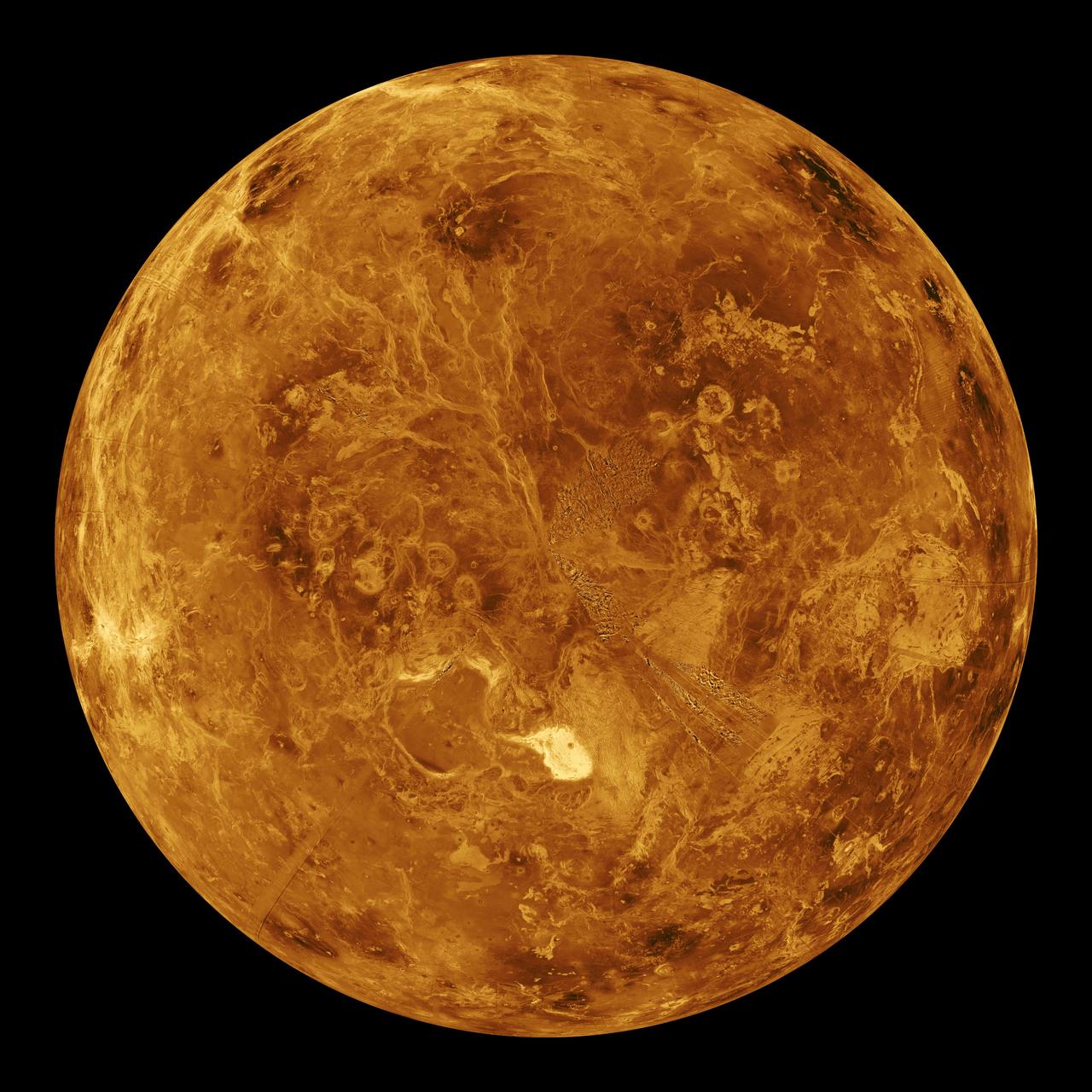
A radar map of the ground under Venus's clouds. Eyes would see yellow-white clouds, not this orange ground.Photo: NASA / JPL 2
The other planets fit in a Moon gap
Line up the other seven planets and they fit between Earth and the Moon.
That is the planets themselves. Saturn's rings are extra wide, so the rings are not in that line.
Measured fact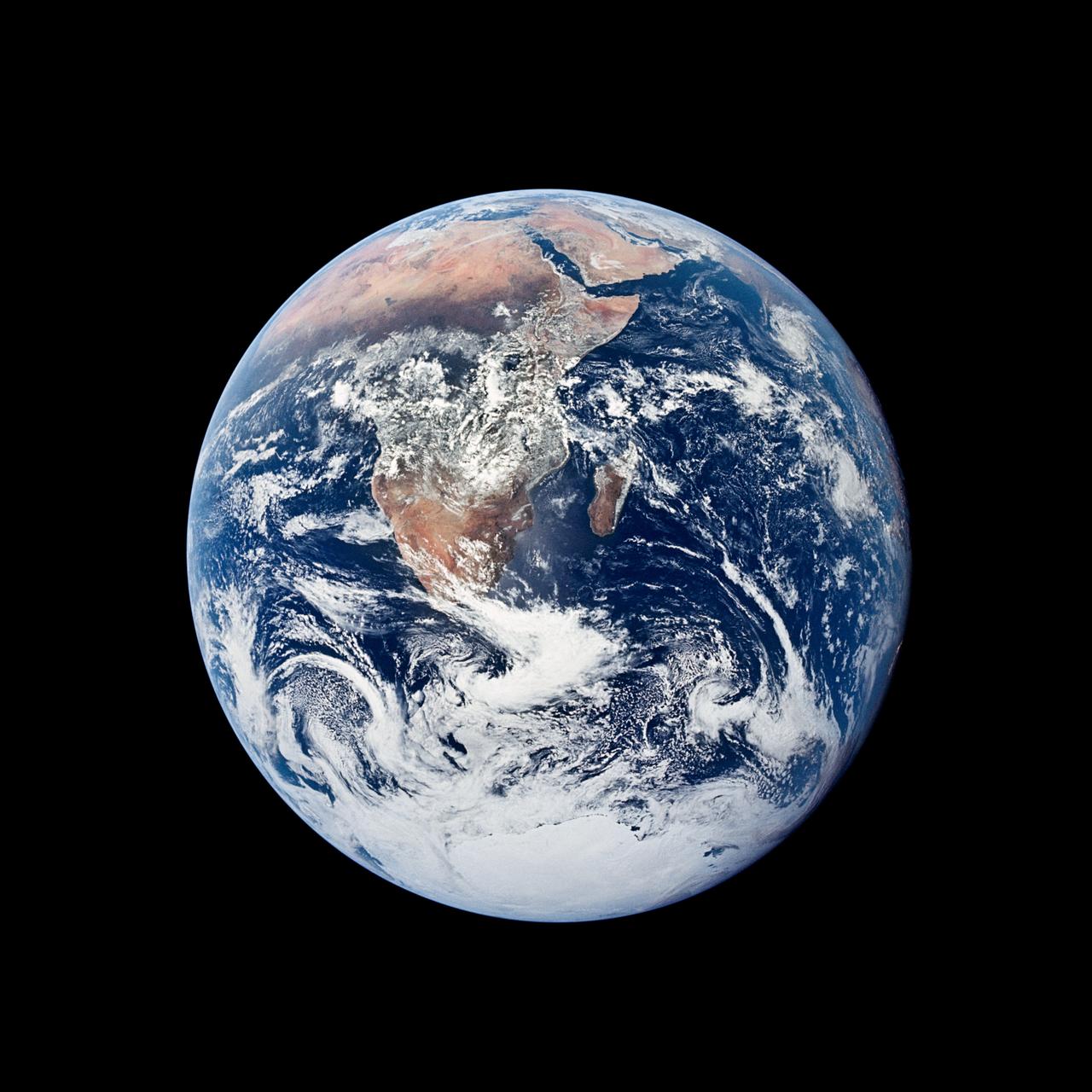
Earth, our home world.Photo: NASA 3
Saturn would float
Saturn is light for its size. In a giant tub of water, it would float.
It is made mostly of gas. No real tub is that big. The test is in the numbers.
Measured fact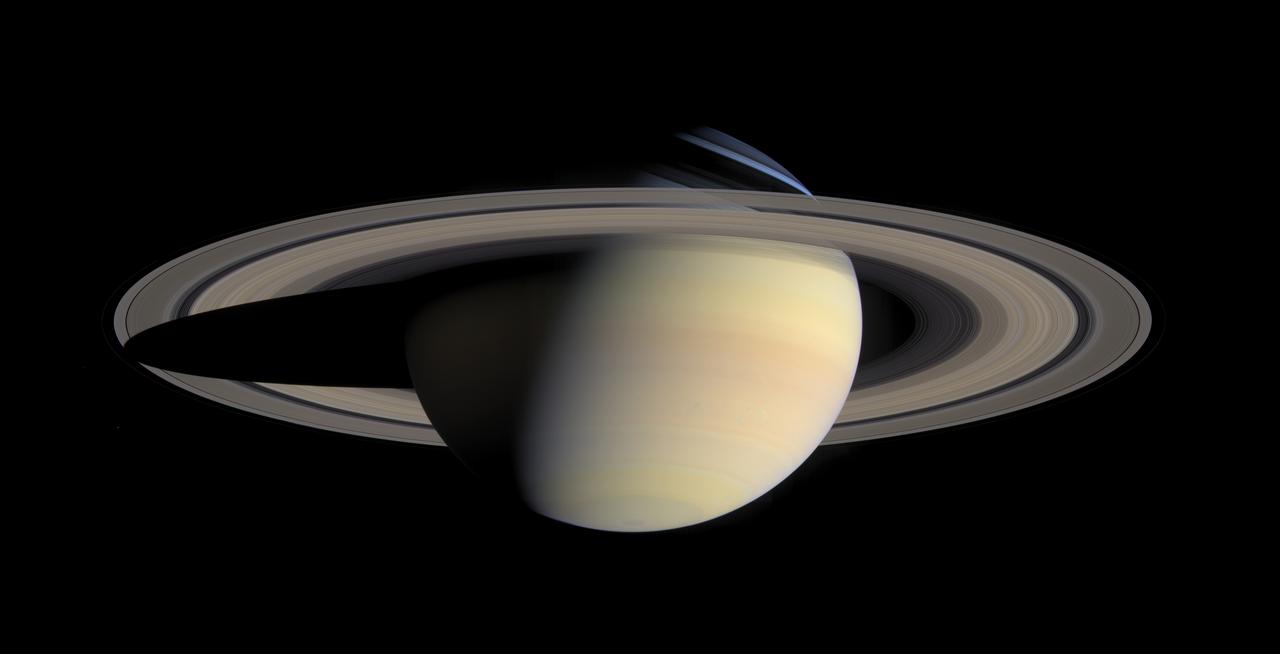
Saturn and its rings of ice and rock.Photo: NASA / JPL-Caltech 4
A million Earths inside the Sun
About 1.3 million Earths could fit inside the Sun.
The Sun is a star. It is huge, and it is still the closest star to us.
Measured fact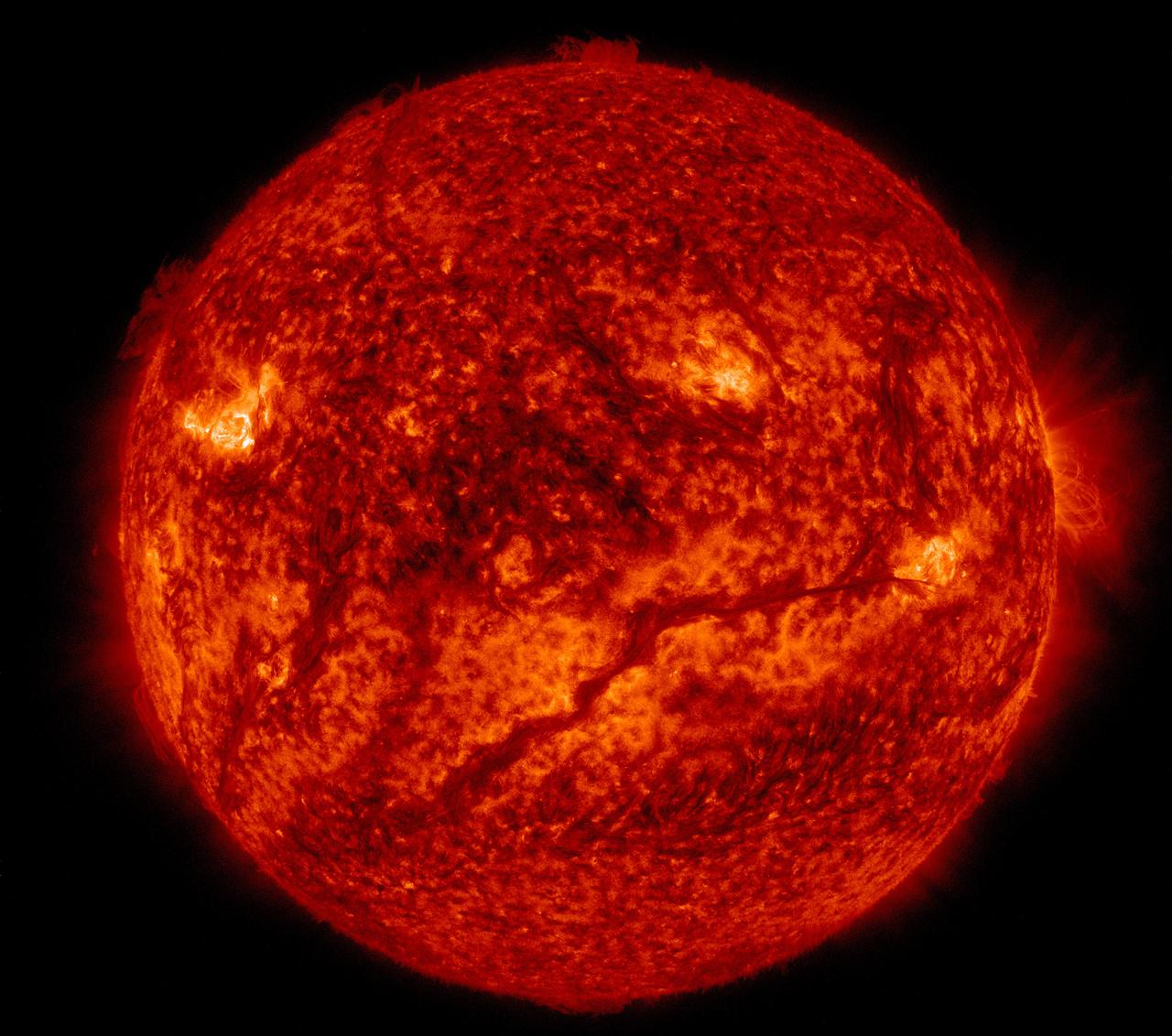
A special camera view of the Sun. Our eyes would see a white-yellow ball. Never look straight at the Sun.Photo: NASA / SDO 5
A storm wider than Earth
Jupiter's Great Red Spot is a storm still wider than Earth.
It has been spinning for hundreds of years. Spacecraft keep measuring it.
Measured fact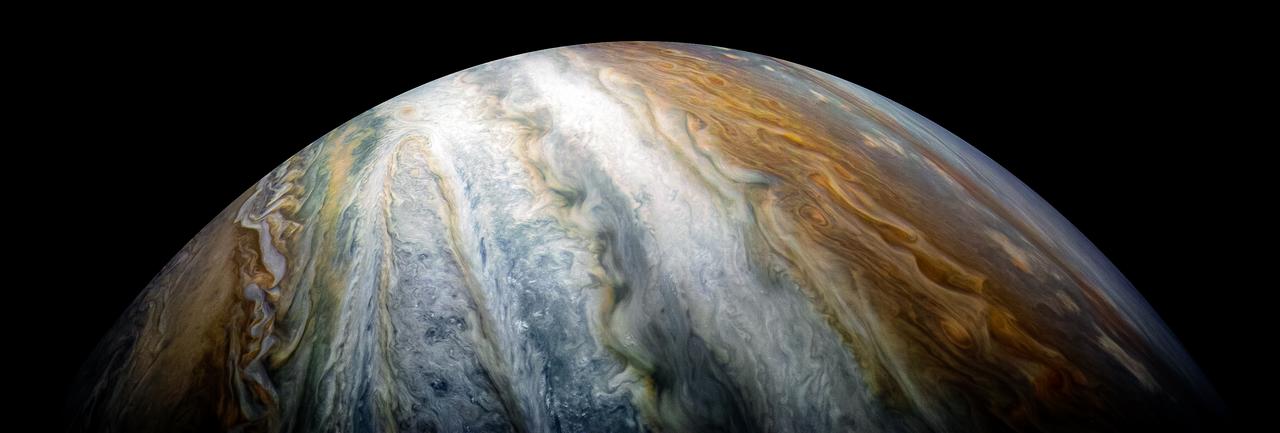
Jupiter's storm clouds, seen by the Juno spacecraft.Photo: NASA / JPL-Caltech / SwRI / MSSS 6
Sunsets on Mars look blue
Mars looks red in the day, but a sunset there looks blue.
Fine dust in the air scatters the light. Rovers have photographed that blue glow.
Measured fact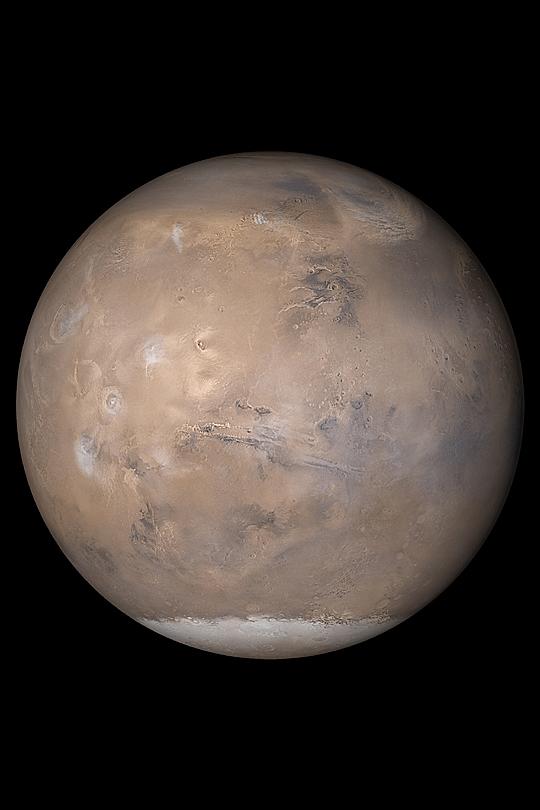
Mars, the red planet.Photo: NASA 7
A volcano twice as tall as Everest
Olympus Mons on Mars is more than twice as tall as the tallest mountain on Earth.
It is a giant volcano. Mars has lower gravity, so a mountain can stand that high.
Measured factMars, the red planet.Photo: NASA 8
A canyon as long as a country
Valles Marineris on Mars is about as long as the United States is wide.
It is a crack in the ground, not a river canyon like the ones on Earth.
Measured fact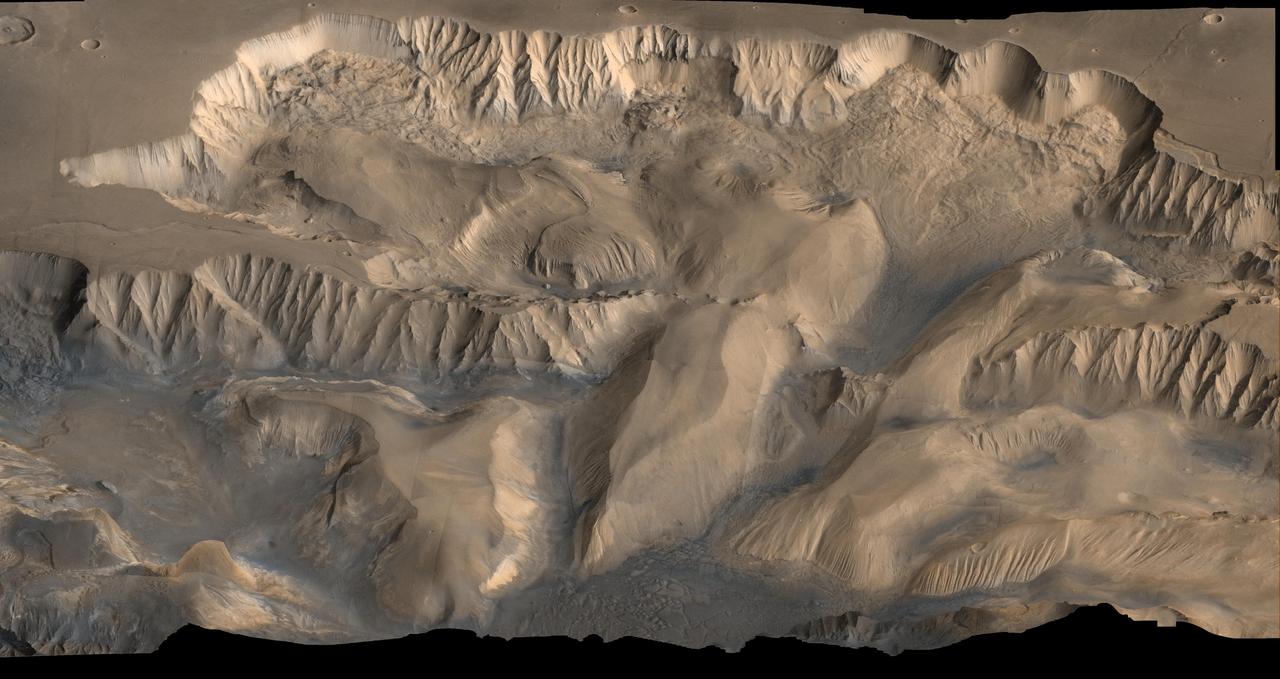
Valles Marineris, a giant canyon on Mars, drawn from spacecraft measurements.Photo: NASA / JPL 9
Footprints that stay
With no wind or rain, footprints on the Moon can last millions of years.
Apollo crews left prints in 1969. Later spacecraft still see the landing places.
Measured fact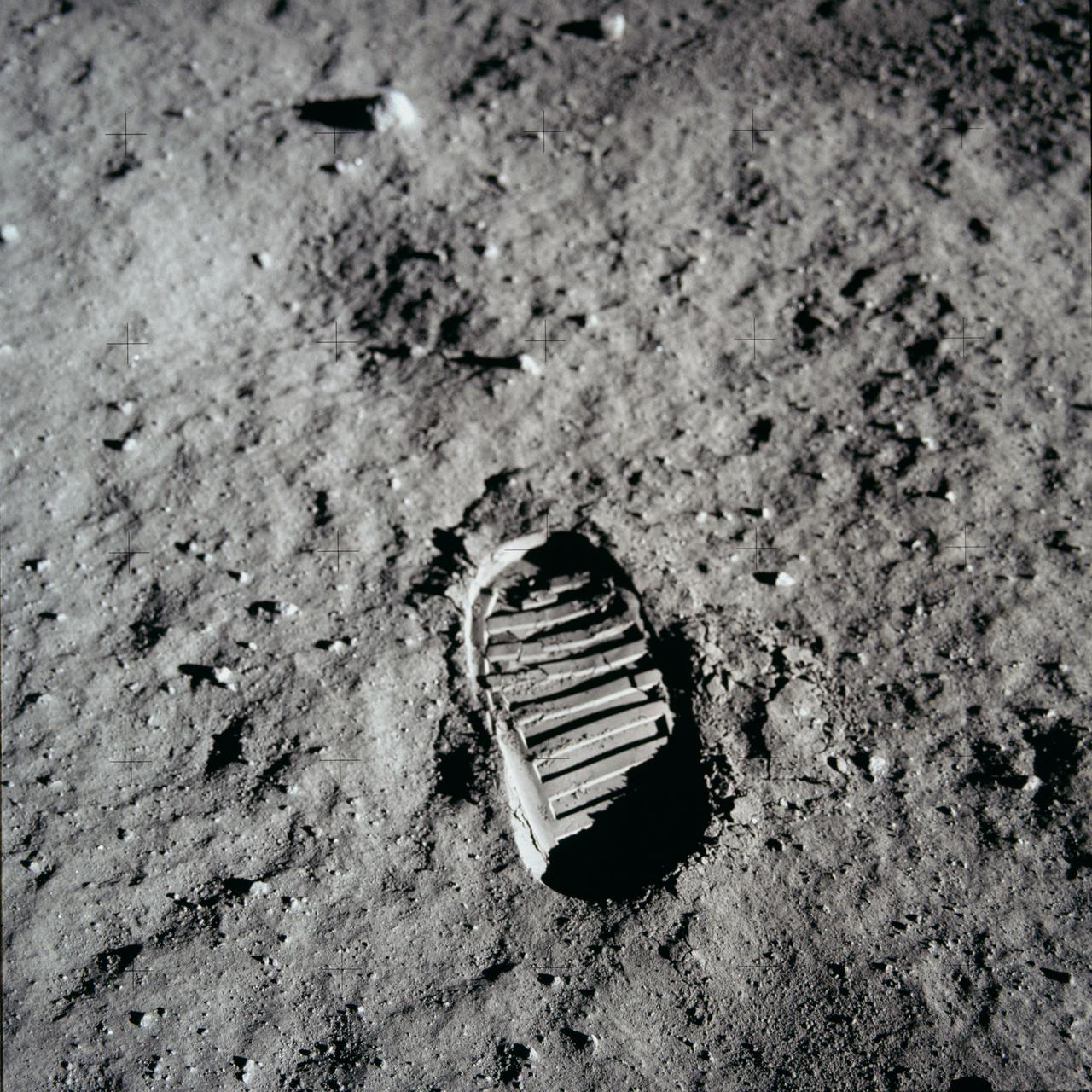
A boot print on the Moon. The plus signs are camera marks.Photo: NASA 10
Space is silent
Sound cannot travel through empty space.
Sound needs air, water, or rock to carry it. A blast in empty space would make no noise.
Measured factA boot print on the Moon. The plus signs are camera marks.Photo: NASA 11
The Moon is sliding away
The Moon moves about 3.8 centimeters farther from Earth each year.
That is about as much as a fingernail grows in a year. Lasers bounced off Moon mirrors measured it.
Measured factA boot print on the Moon. The plus signs are camera marks.Photo: NASA 12
A birthday on Neptune takes a lifetime
One year on Neptune lasts about 165 Earth years.
Neptune is the farthest planet. Its path around the Sun is the longest.
Measured fact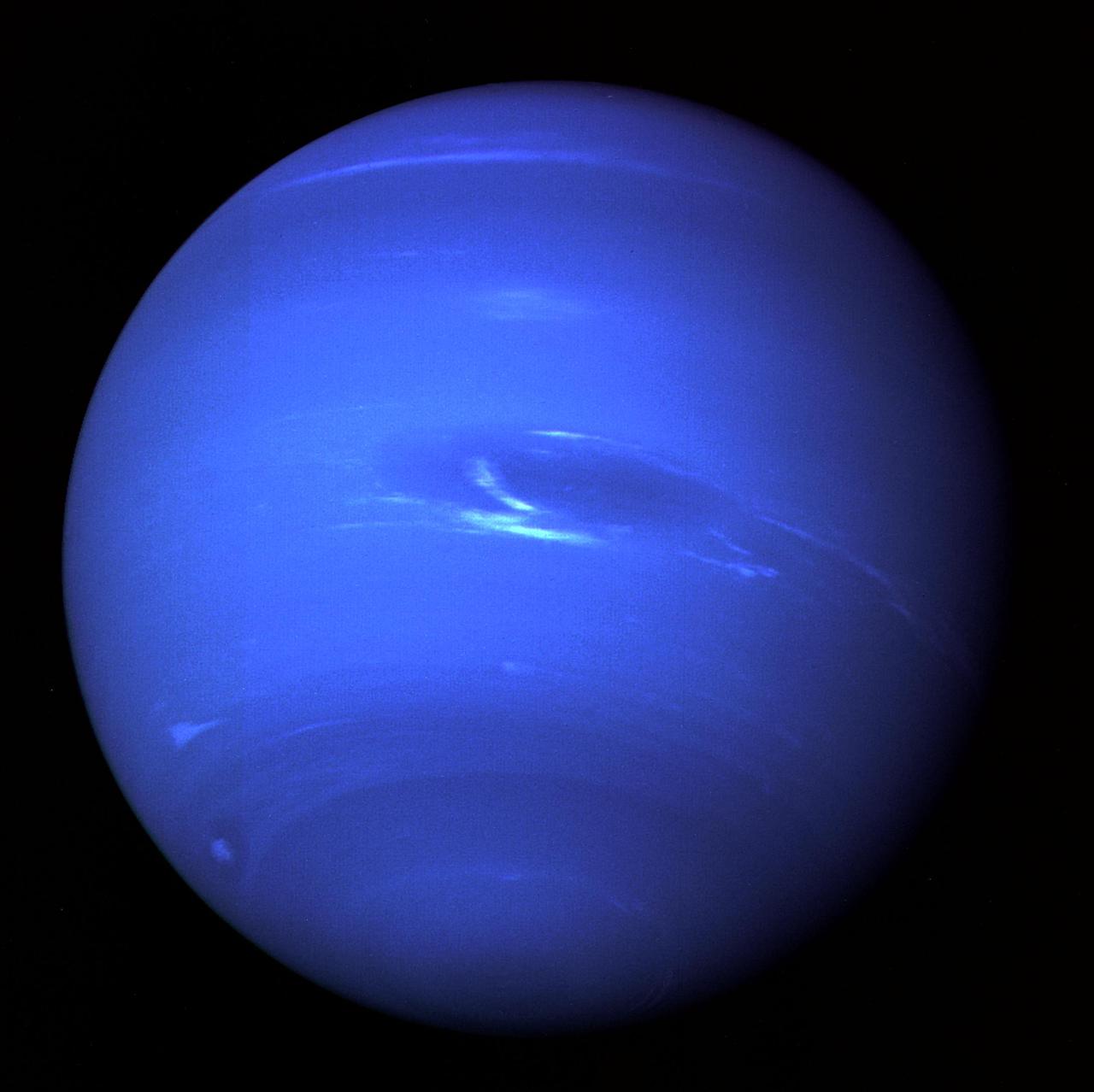
Neptune, the farthest planet.Photo: NASA / JPL 13
A moon bigger than a planet
Ganymede, a moon of Jupiter, is bigger than the planet Mercury.
It is still a moon, because it orbits Jupiter. Mercury orbits the Sun, so Mercury is a planet.
Measured fact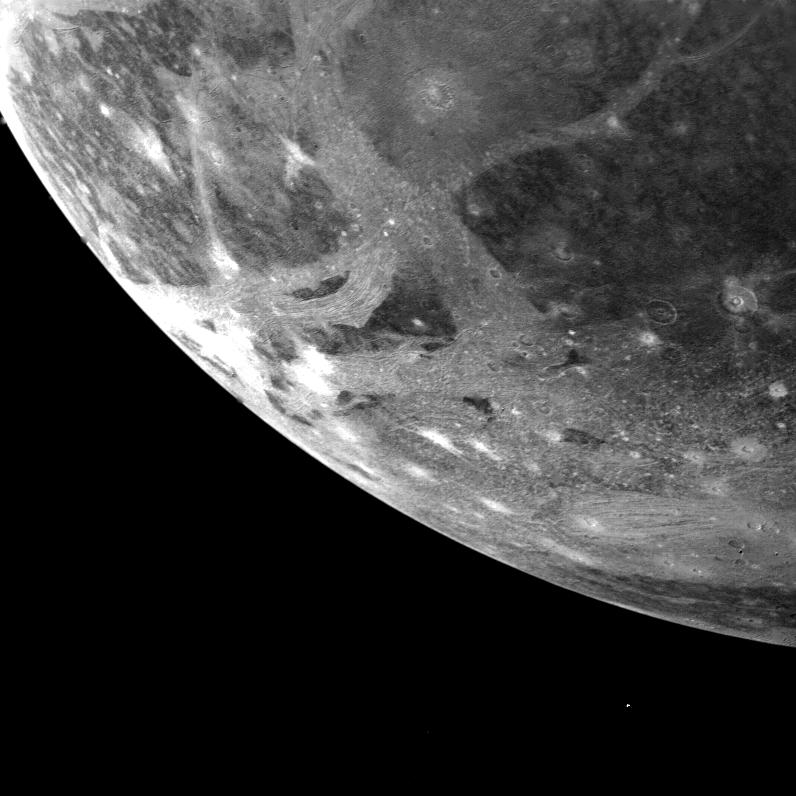
Ganymede, Jupiter's biggest moon. It is bigger than the planet Mercury.Photo: NASA / JPL 14
Sixteen sunrises a day
The space station goes around Earth about every 90 minutes.
Crews can see about 16 sunrises in one Earth day.
Measured fact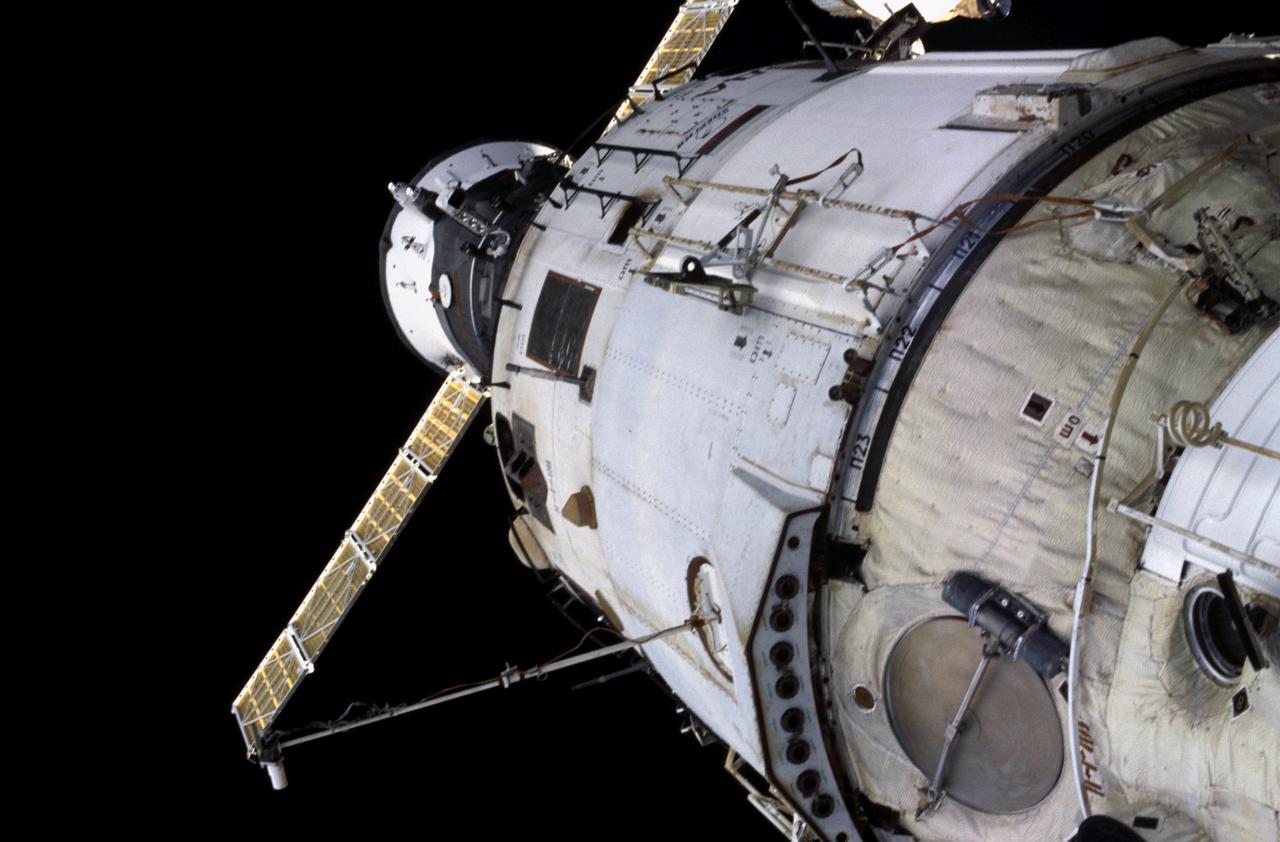
Part of the space station, photographed in orbit.Photo: NASA 15
People grow a little in orbit
Astronauts get a bit taller in space, then return to their usual height on Earth.
The spine stretches when gravity does not squeeze it. The change is small.
Measured factPart of the space station, photographed in orbit.Photo: NASA 16
A moon that sprays ice
Enceladus, a moon of Saturn, shoots ice into space from cracks.
A spacecraft flew through the spray and tasted water, salt, and other bits.
Measured fact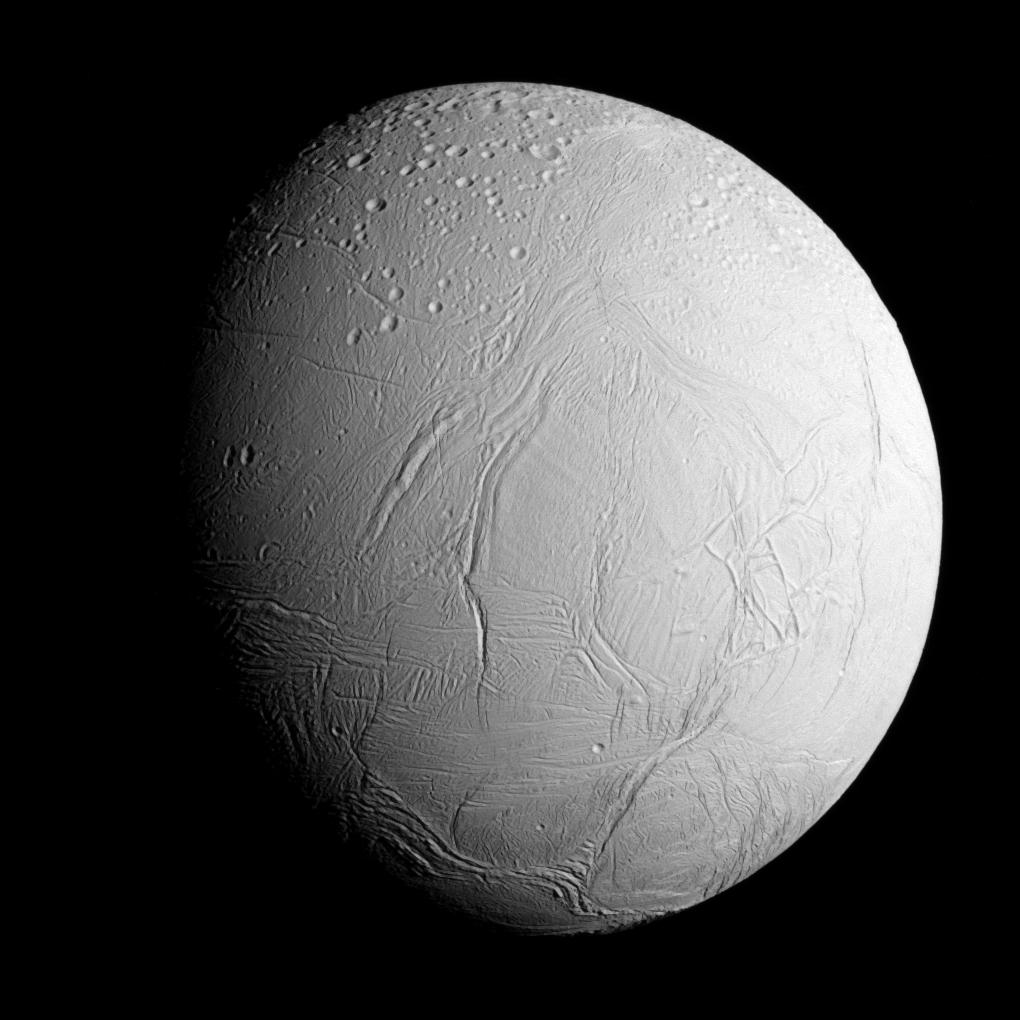
Enceladus, an icy moon of Saturn. Ice sprays from cracks like these.Photo: NASA / JPL-Caltech 17
A heart on Pluto
Pluto has a giant heart-shaped plain of ice.
A spacecraft flew past in 2015 and sent the picture home. Pluto is a dwarf planet.
Measured fact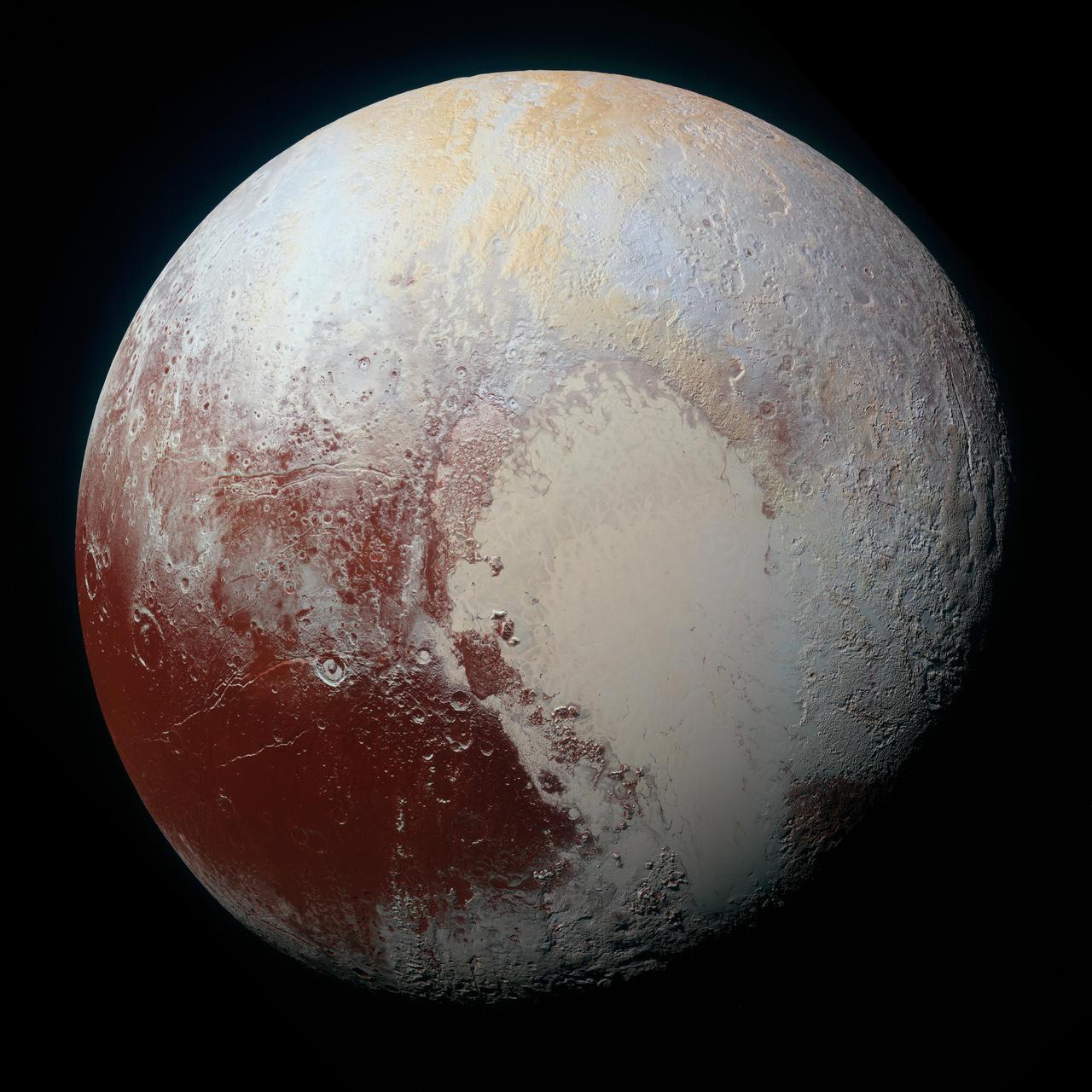
Pluto. The bright area is a heart-shaped plain of ice.Photo: NASA / JHUAPL / SwRI 18
The most volcanic world
Io, a moon of Jupiter, has more active volcanoes than any world we know.
Jupiter's pull squeezes Io and heats the inside. The volcanoes keep erupting.
Measured fact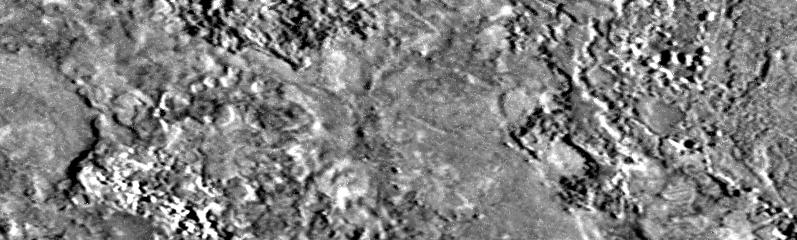
The rough surface of Io. This moon has more active volcanoes than any world we know.Photo: NASA / JPL 19
A storm with six sides
A six-sided storm sits on Saturn's north pole. The storm is wider than Earth.
Winds lock into that shape. It is a measured storm, not a drawing.
Measured fact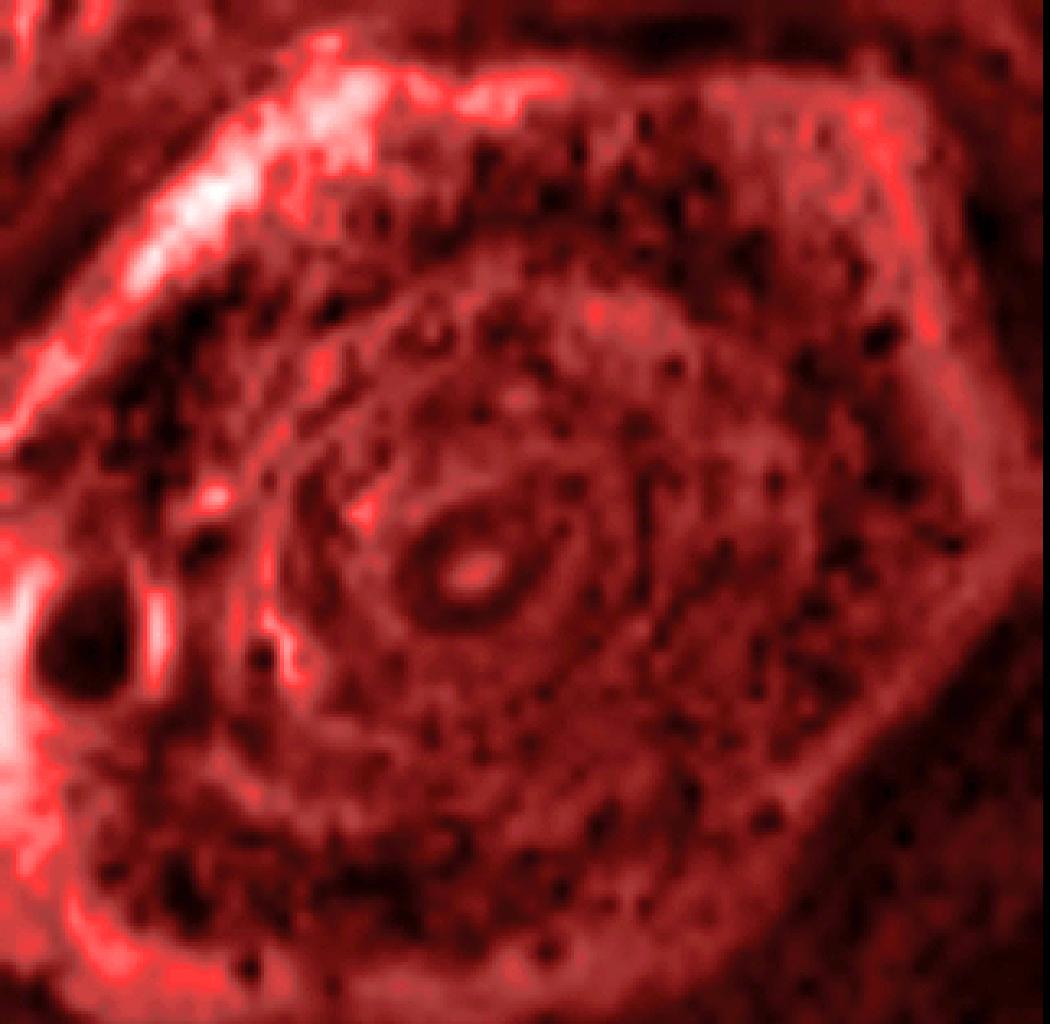
Saturn's six-sided storm. A heat camera made it look red. The storm itself is not red paint.Photo: NASA / JPL-Caltech 20
Diamond rain is still a test
Scientists think it may rain diamonds deep inside Neptune and Uranus.
Labs can squeeze carbon into diamond. No spacecraft has seen that rain. It is a theory being tested.
Theory being tested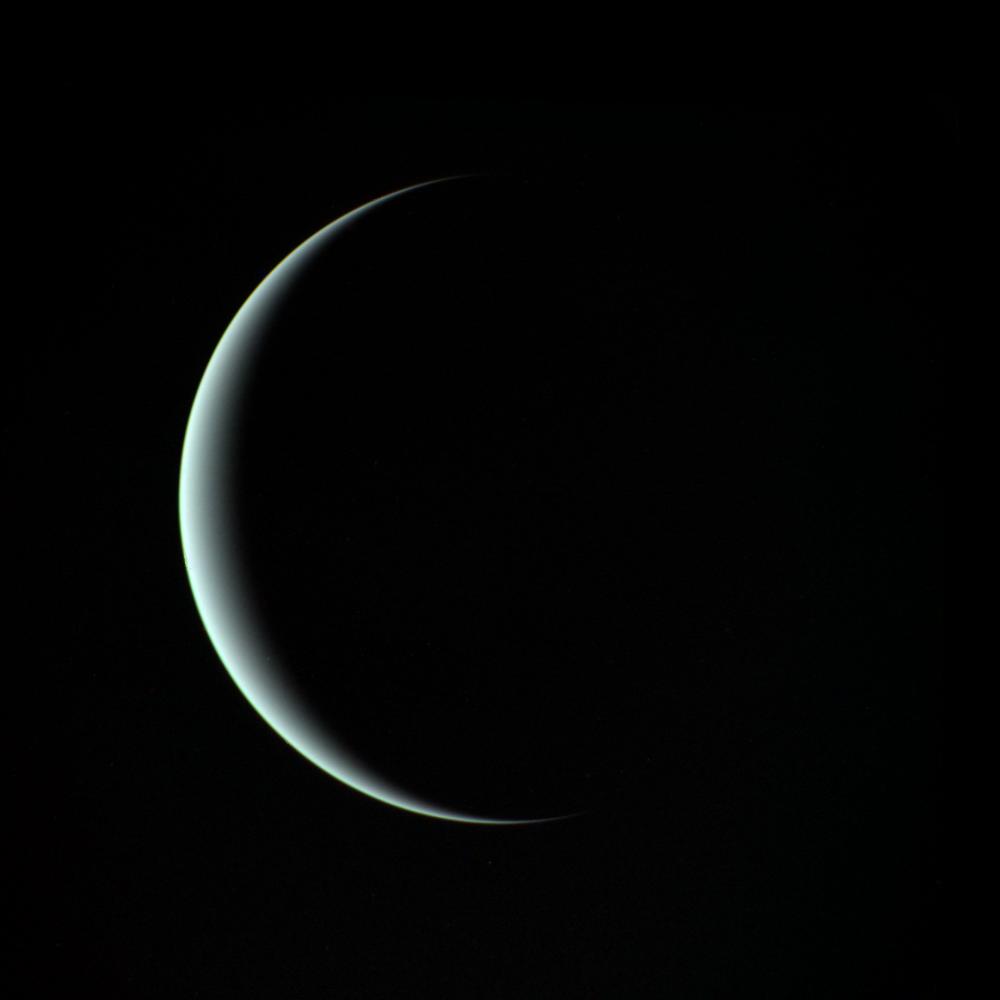
Uranus, seen as a thin crescent.Photo: NASA / JPL